
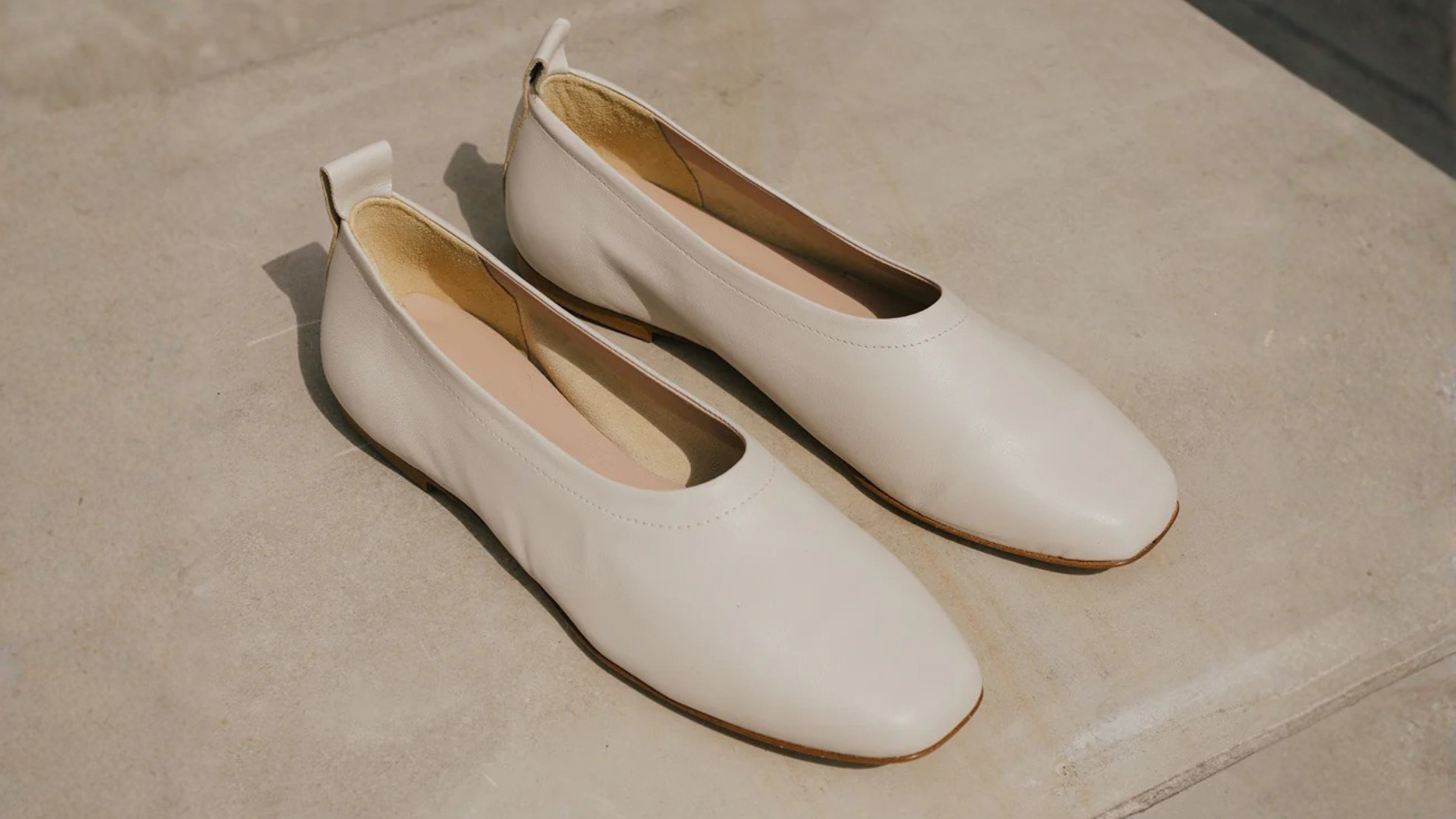
Footwear products are often used for years. Unlike many other consumer products, they are frequently repaired, maintained, or restored rather than immediately replaced.
As Digital Product Passports are introduced under the Ecodesign for Sustainable Products Regulation (ESPR), maintaining access to product information beyond the point of sale becomes key for implementation.
Although footwear is not included among the priority product groups in the first ESPR Working Plan, it remains within the scope of the Ecodesign for Sustainable Products Regulation. Recognising the sector’s distinct materials, functionality, and supply chains, the European Commission has announced a dedicated study to assess future ecodesign requirements for footwear, with conclusions expected by the end of 2027.
At the time of purchase, information about a product is typically available through labels, packaging, product pages, or retailer descriptions. However, much of this information becomes difficult to access later, even though it may still be relevant for care, repair, or authentication.
This raises an important question: how can product data remain connected to footwear throughout its lifecycle?
A shoe is rarely made from a single material.
Depending on the product, footwear may combine leather, textiles, rubber, foam, synthetic materials, adhesives, coatings, and other components within the same item.
Consumers often see only a simplified description of these materials at the point of sale. Behind that description sits a more complex product structure involving multiple materials, suppliers, and manufacturing processes.
This complexity becomes particularly important when owners need to access information associated with the product later in its lifecycle.
Many types of product information can remain useful long after footwear leaves the store.
Examples include:
Within a Digital Product Passport, this information can remain connected to the product and become relevant months or even years later, whether for care, repair, authentication, or other post-purchase services.
Repair is one example of where product records can become particularly relevant.
Depending on the product, repairs may involve replacing soles, restoring leather, repairing stitching, or replacing specific components.
Access to information about materials, construction, and product characteristics can help support these activities.
Digital Product Passports can also support more than access to information. Depending on how they are implemented, they may act as a direct access point to repair-related services; a product owner could access repair guidance, identify repair providers, or initiate a repair request through the Digital Product Passport experience itself.
In this sense, the Digital Product Passport can support both the information needed for repair and the services connected to it.
Luxury footwear brand ESSEN illustrates how Digital Product Passports can reflect the complexity of footwear beyond material composition.
Rather than limiting product information to labels or technical specifications, its passport gives access to the complete journey of each pair of shoes, including where different production stages took place, the artisans involved in their manufacture and the origin of the leather used, reflecting the brand’s focus on transparency and Made in Italy.
Through its traceability system, ESSEN also connects leather back to the networks of farms from which it originates, supporting greater visibility into sourcing practices. By keeping this information accessible through the product’s QR code after purchase, the Digital Product Passport becomes a persistent product record rather than information available only at the point of sale.
Footwear highlights a broader shift taking place across product information and product compliance.
Repair guidance, warranty details, customer services, and authenticity information often exist separately from the products they relate to.
Renoon helps brands connect these experiences directly to individual products through Digital Product Passports. Speak with our team to explore how Digital Product Passports can connect product data, post-purchase services, and customer experiences throughout the lifecycle of your footwear products.


.png)
.avif)
.png)