

Formalwear is not a separate product category under the ESPR. Bridal and wedding dresses, evening and ceremony dresses, suits, tuxedos, formal jackets and trousers, shirts, ties and other accessories fall within the respective textile and apparel categories currently being assessed as part of the European Commission’s preparatory work on ecodesign requirements for textile products.
This means that formalwear and bridal brands are preparing for the same Digital Product Passport framework as the wider apparel sector. The final textile-specific DPP requirements are still being developed, but the preparatory work already provides useful indications of the product information and performance concepts being considered.
For formalwear, one of them is particularly interesting: how do you describe the lifetime of a garment designed to be worn only occasionally?
A formal garment can remain usable for many years while being worn only occasionally. This raises a practical question for Digital Product Passports: how long should the passport associated with that garment remain available?
Under the ESPR, product-specific delegated acts must define the period during which the DPP remains available, and this period must correspond to at least the expected lifetime of the specific product. (Regulation (EU) 2024/1781)
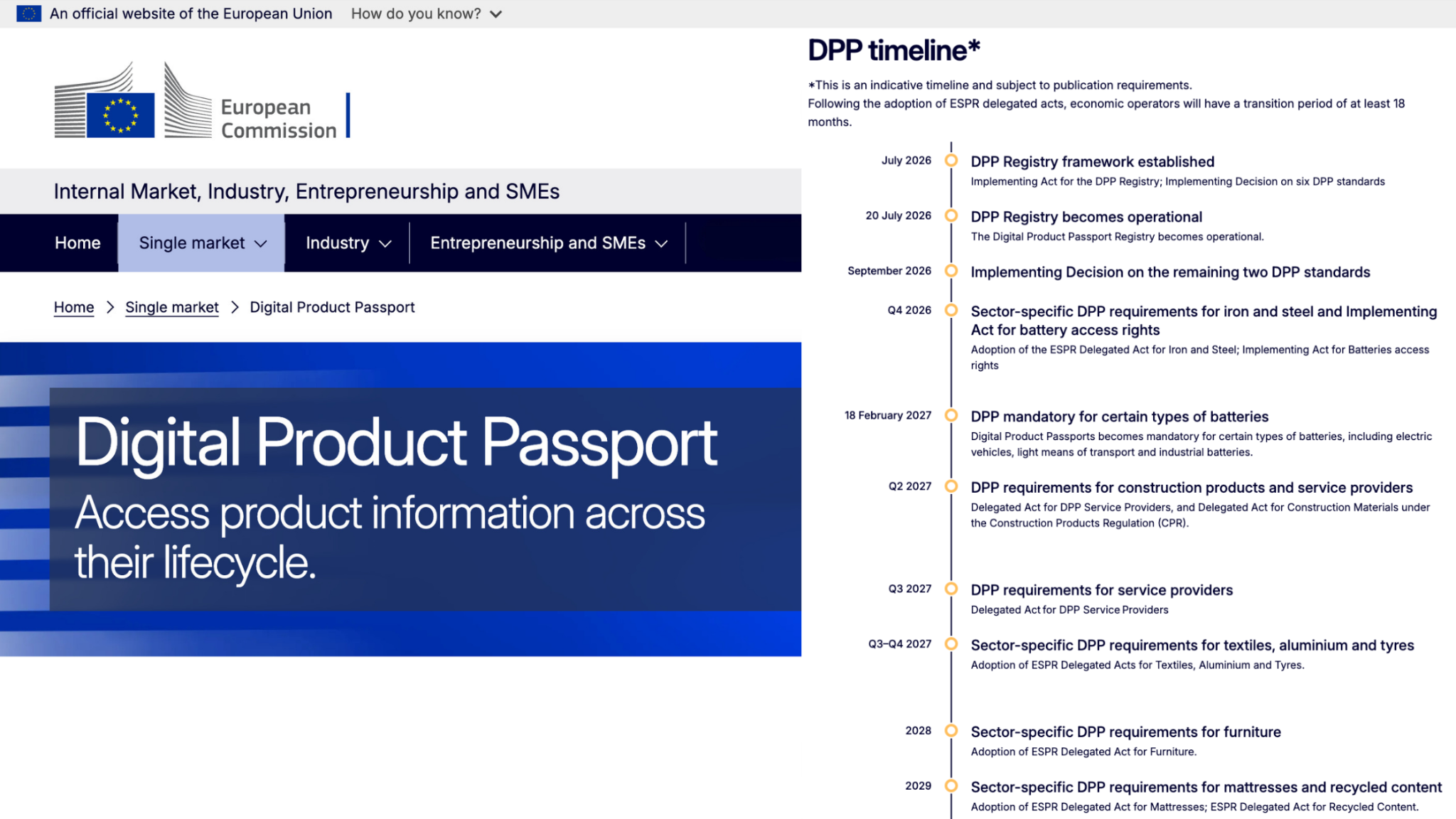
For textile and apparel products, the final requirements are still being developed, with the delegated act currently expected in Q4 2027. Formalwear is particularly interesting in this context because it does not correspond to a single apparel category: a bridal or formalwear collection may include wedding and evening dresses, jackets, trousers, shirts and textile accessories such as ties, which fall within different product categories considered in the textile preparatory work.
The JRC analysis already shows that assumptions around duration in use can vary across apparel categories. For formalwear, frequency of wear may also differ considerably from the period during which a garment remains functional: a dress or suit may be worn relatively few times while remaining usable for many years. (3rd Milestone JRC)
The textile delegated act will therefore be important in clarifying how long DPPs need to remain available for these products and how that period relates to their expected lifetime.
For brands, this makes DPP persistence a practical implementation consideration: product information and its underlying infrastructure need to remain accessible and maintainable for the period ultimately required for each product.
The JRC preparatory work is currently assessing requirements aimed at extending textile product lifetime, including product robustness and a potential robustness score.
These are still proposals under assessment, but they show the direction of the technical work: product performance may need to be translated into structured and comparable information.
For formalwear, robustness and actual use should not be confused. A garment can retain its physical performance for a long time even if it is worn infrequently. Equally, physical durability alone does not determine how long a garment remains actively used.
For brands, the useful distinction is between:
Keeping those concepts separate becomes important when preparing product information that may eventually feed into DPP requirements.
The common DPP foundations are already established under the ESPR, while textile-specific requirements will further determine which information must be included and at what level.
Formalwear brands can therefore already work on the data foundations behind their products: product identification and composition, material and supplier information, existing product performance data, care and other lifecycle information, and the systems in which these data are currently managed.
One area that remains to be clarified is made-to-measure and customised formalwear. The ESPR does not currently establish a specific DPP treatment for individually customised or tailor-made garments, and the future textile delegated act has yet to specify how the textile requirements will apply in these cases. Brands working with bespoke, made-to-measure or highly customised products should therefore follow this point as the textile requirements develop.
The objective is to understand what information already exists, where gaps remain and how data can be connected to individual products before the final textile requirements are adopted.
Renoon supports fashion brands in preparing and implementing Digital Product Passports, from structuring existing product and supplier data to building the infrastructure needed to manage DPPs at scale.
Get in touch with our team to assess your DPP readiness.

.avif)

.avif)